
2025 saw many highs and lows in the art world, but which ones will be remembered as some of the most remarkable moments of the year?
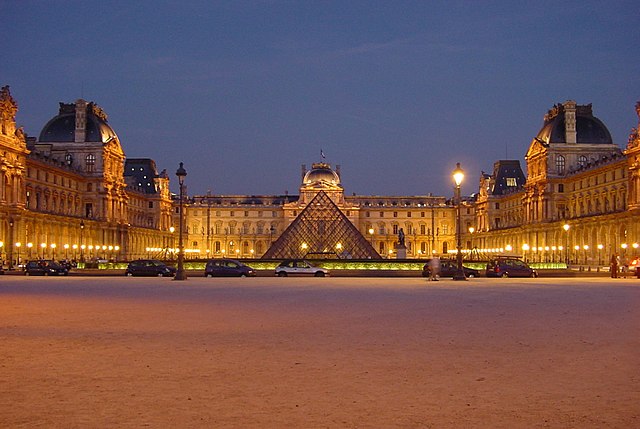
The Louvre
1. The Louvre and the Terrible, Horrible, No Good, Very Bad Year
2025 was a rollercoaster year for the Louvre. Things started optimistically, with French President Emmanuel Macron announcing in February that the museum would undergo extensive renovations for the first time since the 1980s. Early estimates suggested the upgrades could cost between €500 million and €800 million. Proposed alterations included building a new entrance along the River Seine to reduce crowding at I.M. Pei’s glass pyramid. Macron also mentioned creating a dedicated gallery for the Mona Lisa.
Several events throughout the year reinforced the need for infrastructure and security updates. In May 2025, hailstorms in Paris caused leaks in the museum, putting several proto-Renaissance works at risk in the Revoir Cimabue exhibition. Firefighters later inspected the roof and determined that a hailstone had damaged a seal in a section of the glass ceiling.
Later, in October 2025, a jewelry heist at the Louvre resulted in the theft of some of France’s crown jewels, estimated at €88 million ($102 million). The incident proved to be the final catalyst for long-discussed security reforms. Following an audit, France’s Cour des Comptes recommended increasing ticket prices, completely overhauling the museum’s computer systems, and developing new security protocols, among other measures. With these additional security requirements factored in, the projected cost of a full renovation has now climbed to approximately €1.1 billion.
2. Trump vs. the Smithsonian
Since returning to the presidency, Donald Trump has taken a hostile stance toward the arts and American museums. This has been most evident in the administration’s approach to the Smithsonian Institution and the National Endowment for the Arts (NEA).
Trump has been highly critical of the Smithsonian, claiming it promotes “improper, divisive, or anti-American ideology.” An executive order issued in early April 2025 directed the vice president, in his role as a member of the Smithsonian’s Board of Regents, to work to “remove improper ideology” from the institution’s museums. In response, Smithsonian Secretary Lonnie Bunch issued an internal staff memo rebutting the order, stating that the Smithsonian’s mission would continue to be “shaped by the best scholarship, free of partisanship, to help the American public better understand our nation’s history, challenges, and triumphs.”
In June 2025, Trump announced the firing of National Portrait Gallery (NPG) director Kim Sajet, despite lacking the authority to do so. Sajet ultimately remained in her position until later accepting the directorship of the Milwaukee Art Museum. Although the administration’s efforts were unsuccessful, these actions fostered an environment in which museum officials reportedly began to self-censor to avoid presidential scrutiny. Around this time, American painter Amy Sherald withdrew from a planned exhibition at the NPG after staff requested that certain works be excluded, including Trans Forming Liberty.

Trump also sought to cut funding for the NEA, specifically targeting its Challenge America grants, which support small- to mid-sized cultural organizations in underserved communities. In response, major arts funders—including the Andy Warhol Foundation, the Helen Frankenthaler Foundation, and the Mellon Foundation—pledged significant financial support to help offset the losses. In September 2025, however, a federal judge ruled that several of Trump’s restrictions on NEA grants were unconstitutional.
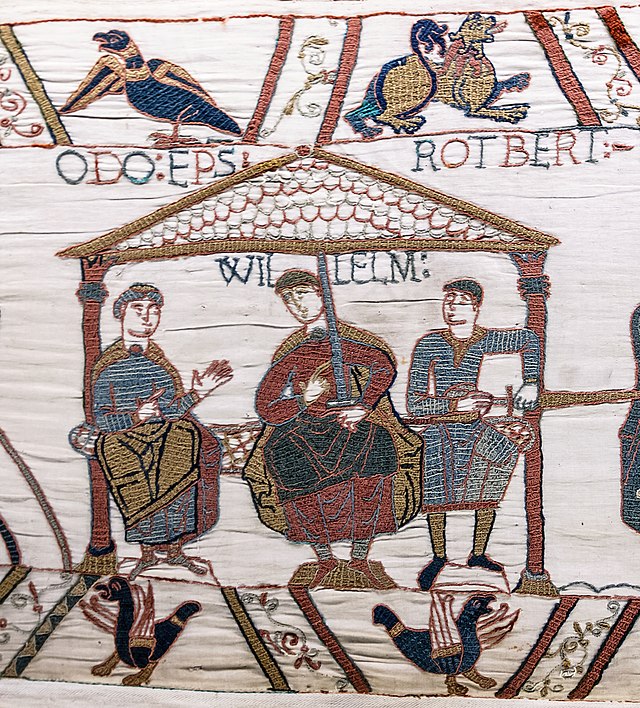
A segment of the Bayeux Tapestry
3. Bayeux Tapestry Comes Home
After more than nine hundred years, the Bayeux Tapestry will return to England as part of a cultural exchange between the British and French governments. The tapestry is a centuries-old historical document depicting the events surrounding the Norman Conquest of England in 1066. Backed by an £800 million guarantee from the British Treasury, the work will be lent to the British Museum from September 2026 through July 2027. In return, several artifacts from the British Museum will be loaned to French museums. British Museum chair George Osborne predicted that the tapestry’s exhibition “will be the blockbuster show of our generation.”
However, the arrangement has faced notable opposition. French art journalist Didier Rykner launched an online petition opposing the tapestry’s removal from its museum, citing concerns that it could be damaged during transport. By August 2025, the petition had gathered nearly 50,000 signatures. As of December, that number had risen to just over 75,000. Rykner remarked, “The last two times it was moved were first by Napoleon and then by the Germans during the Nazi occupation. I cannot think of why you would want to be the third to move it.”
4. Van Gogh Museum Threatens Closure
In September 2025, the Van Gogh Museum in Amsterdam announced that it may be forced to close if it does not receive additional funding from the Dutch government. The museum is scheduled to undergo an extensive renovation from 2028 to 2031. Its main building, now more than 50 years old, was designed to accommodate just 500,000 visitors annually, yet it currently welcomes approximately 1.8 million.
Planned upgrades will focus on climate control systems, elevators, security, fire safety, and sustainability. The museum has been in negotiations with the Dutch government for the past two years to secure funding for these renovations, which it estimates will cost around €104 million. Because the museum will be partially closed during construction, it expects to lose approximately €50 million in revenue due to reduced visitor numbers.
The Van Gogh Museum currently receives €8.5 million per year from the Dutch state. To remain operational during the three-year renovation period, the museum estimates that government support would need to increase to €11 million annually. However, the current minister for education, culture, and science has not been receptive to this proposal. As a result, the museum has filed a lawsuit against the Dutch government, asking the ministry to “fulfil its legally established obligations” under an agreement made in 1962 with the Van Gogh family and the Vincent van Gogh Foundation. The first court hearing is scheduled for February 2026.
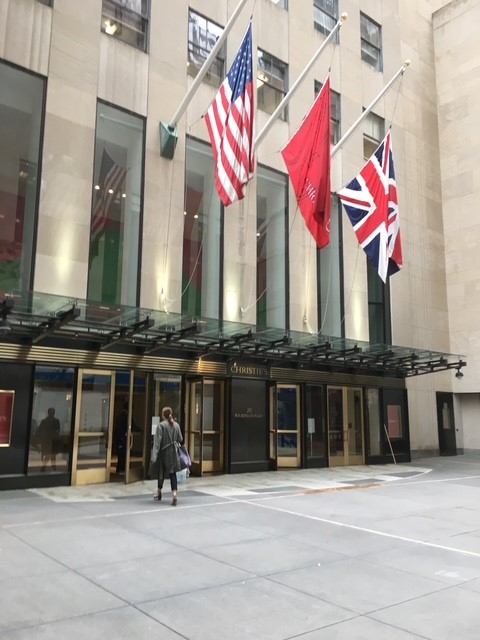
Christie’s, New York
5. Christie’s Closes Digital Department
In September 2025, Christie’s closed its digital art department, potentially marking the beginning of the mainstream art world’s shift away from the medium. Rather than maintaining a standalone department, digital works at Christie’s will now be handled through its twentieth- and twenty-first-century divisions.
The art world establishment has had a complicated relationship with new forms of digital art since 2021, when NFTs rose to prominence as an artistic medium. It was at Christie’s that the first major NFT sale took place, when Beeple’s Everydays series sold for $69.3 million. Throughout 2021 and into 2022, NFTs and other forms of digital art featured prominently at major auction houses and galleries. By the end of 2022, however, NFT sales at Christie’s had dropped by 96%.
As enthusiasm waned, the full extent of NFTs’ use for speculative and nefarious purposes became more widely understood. Several digital art platforms—including Async Art, KnownOrigin, and LG Art Lab—have since shut down. In the aftermath, some critics pointed to major auction houses, including Sotheby’s, arguing that their institutional backing helped inflate the bubble by lending credibility to the technology and driving prices upward.
6. Rediscovered Rubens
Christ on the Cross by Peter Paul Rubens had allegedly been missing since shortly after its creation in the second decade of the seventeenth century. Jean-Pierre Osenat, owner of the auction house Osenat, claimed to have rediscovered the painting in a Paris mansion while cataloguing its contents. The work was authenticated by Dr. Nils Büttner, chairman of the Centrum Rubenianum in Antwerp, the institution responsible for publishing the principal Rubens catalogue raisonné since 1963. Büttner confirmed that Christ on the Cross will be included in the next edition of the catalogue in its addenda and corrigenda section. Rubens created several versions of this composition, nearly all within the same ten-year period. Examples are now held in major museum collections, including the Royal Museum of Fine Arts in Antwerp and the Museum of Fine Arts, Boston.
At the Tableaux Anciens sale on November 30, 2025, Osenat initially estimated the painting would sell for between €1 million and €2 million. At the Versailles saleroom, however, bidding exceeded expectations, with the hammer falling at €2.3 million, or €2.94 million including fees ($3.4 million). The result marks the most expensive Rubens to sell at auction since The Annunciation became the top lot at Sotheby’s Master Paintings sale earlier this year, achieving $4.8 million with premium.

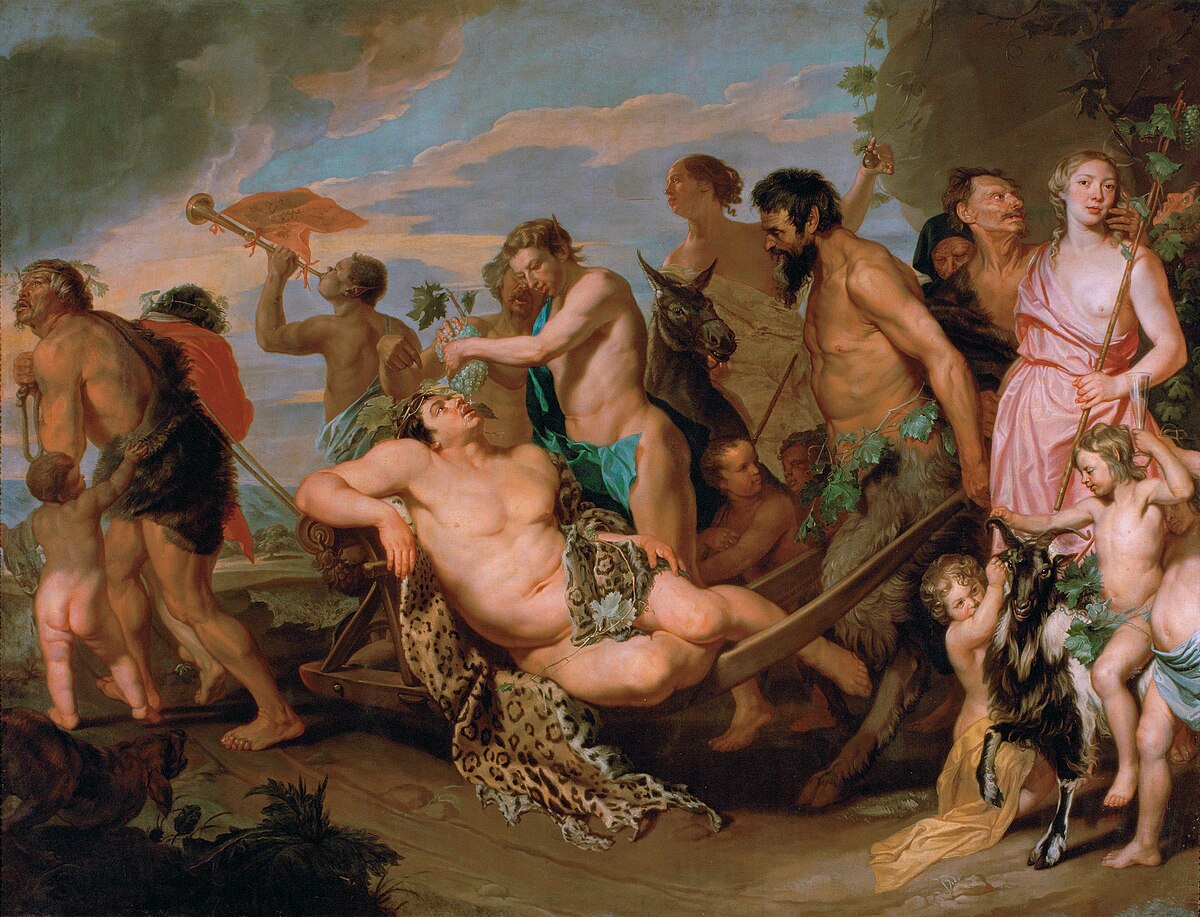
The Triumph of Bacchus by Michelina Wautier
7. Michaelina Wautier Exhibition
At the end of September 2025, twenty-nine of the thirty-five known paintings by the Flemish Baroque artist Michaelina Wautier were brought together in an exhibition at Vienna’s Kunsthistorisches Museum. As art historians continue to study her work, Wautier’s importance to Baroque art has become increasingly clear.
Wautier’s largest and most significant painting, The Triumph of Bacchus, reveals much about her stature as an artist. Because most female painters of the period worked primarily in still life and genre scenes, their works tended to be relatively small in scale. The Triumph of Bacchus, however, measures just over 9 by 11½ feet. Moreover, art historians infer that, given the extensive depiction of exposed skin, Wautier worked from live nude models, suggesting she maintained a dedicated studio. This would make her the first known female painter to depict a nude male figure in life size.
Scholars have also concluded that Wautier was highly successful during her lifetime, selling works to and receiving commissions from aristocratic patrons. She must have been sufficiently established to challenge prevailing artistic conventions. In The Triumph of Bacchus, many believe the female figure on the right, facing the viewer and possibly representing Ariadne, is a self-portrait. Not only was such self-insertion rare for female artists, but even more striking is the figure’s exposed left breast.
Efforts to restore Wautier’s reputation date back to 1993, when Belgian art historian Katlijne Van der Stighelen rediscovered The Triumph of Bacchus in storage at the Kunsthistorisches Museum. She went on to research Wautier extensively and later curated Michaelina Wautier: Baroque’s Leading Lady at Antwerp’s Museum aan de Stroom. Since then, Wautier has received growing recognition, and the Vienna exhibition is scheduled to travel to the Royal Academy in London in March 2026.
8. Bob Ross Paintings Go To Auction
This year, American Public Television (APT) consigned a collection of thirty Bob Ross paintings to Bonhams. Several of the works were featured in the California & Western Art sale on November 11, 2025, in Los Angeles. Three paintings sold for $661.9K w/p, against a collective high estimate of just $145K. Two additional works were sold on November 24, 2025, at Bonhams Skinner in the Past & Present sale. With a combined high estimate of $40K, the pair achieved $248.65K w/p. The remaining paintings will be offered gradually across several auctions in 2026. Proceeds from these sales will help sustain both APT and PBS, supporting the continued operation of public broadcasting in the United States.
Recent federal budget cuts—including more than $1 billion reduced from the Corporation for Public Broadcasting (CPB) at the urging of President Trump—have placed PBS and NPR under significant financial strain. The CPB oversees both APT and PBS, which provide public television and radio programming nationwide. As a result, PBS has reportedly reduced its workforce by 15%, and several local stations have been forced to close.
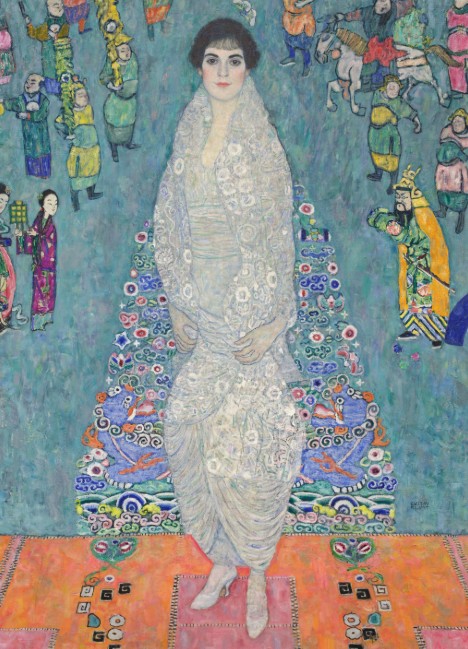
Portrait of Elisabeth Lederer by Gustav Klimt
9. The Lauder Collection at Sotheby’s
Sotheby’s opened its new headquarters at the Breuer Building on November 8, 2025. To inaugurate the space, the auction house staged one of the most significant sales the art world has seen in years: the Leonard Lauder collection.
The sale was dominated by Gustav Klimt’s Portrait of Elisabeth Lederer. The Lederer family of Vienna assembled an important art collection, nearly all of which was confiscated by the Nazis and ultimately destroyed by the end of the Second World War. This history makes the portrait an exceptionally rare survivor. Bidding opened at $130 million and surpassed its estimate within three minutes. The hammer ultimately fell at $205 million, or $236.4 million with premium. Portrait of Elisabeth Lederer now holds the auction record for Klimt, more than doubling the £85.3 million w/p achieved by Dame mit Fächer in June 2023. The result also set a new auction record for modern art, making the Lederer portrait the second-most expensive artwork ever sold at auction, surpassed only by Leonardo da Vinci’s Salvator Mundi.

Other Klimt works in the collection, including Blumenwiese and Waldabhang bei Unterach am Attersee, also performed strongly, selling for $86 million w/p and $68.3 million w/p, respectively. The success of the Klimts set the tone for the evening: together, the three paintings accounted for 75% of the sale’s total. The full evening sale brought Sotheby’s to an extraordinary $706 million, the highest single-night total in the auction house’s history.


10. Record-Setting Kahlo
To close out the week of November blockbuster sales, Sotheby’s hosted a pair of auctions dedicated to Surrealist art, titled Exquisite Corpus. The star of the evening sale was El sueño (La cama) by Frida Kahlo. When Kahlo created the painting in 1940, she had recently divorced and remarried Diego Rivera. She had also been diagnosed with polio, and this, combined with the chronic pain from injuries sustained in a bus accident in 1925, made her more reflective on pain and impending death. The painting explores classic Surrealist themes such as consciousness, while also drawing on older artistic subjects like the reclining nude and the odalisque. The skeleton atop the bed further alludes to Mexican folk art and pre-Columbian Indigenous culture.

The painting was guaranteed by a third party, meaning it was bound to set an auction record for the artist regardless of who else bid. Against a low estimate of $40 million, El sueño (La cama) achieved a hammer price of $47 million, or $54.6 million w/p. Not only was this an auction record for Frida Kahlo, but it also set a record for Latin American art. It is now the most expensive work by a female artist ever sold at auction, surpassing Georgia O’Keeffe’s Jimson Weed/White Flower No. 1, which sold at Sotheby’s in 2014 for $44.4 million w/p.
Honorable Mentions
The May Marquee Sales
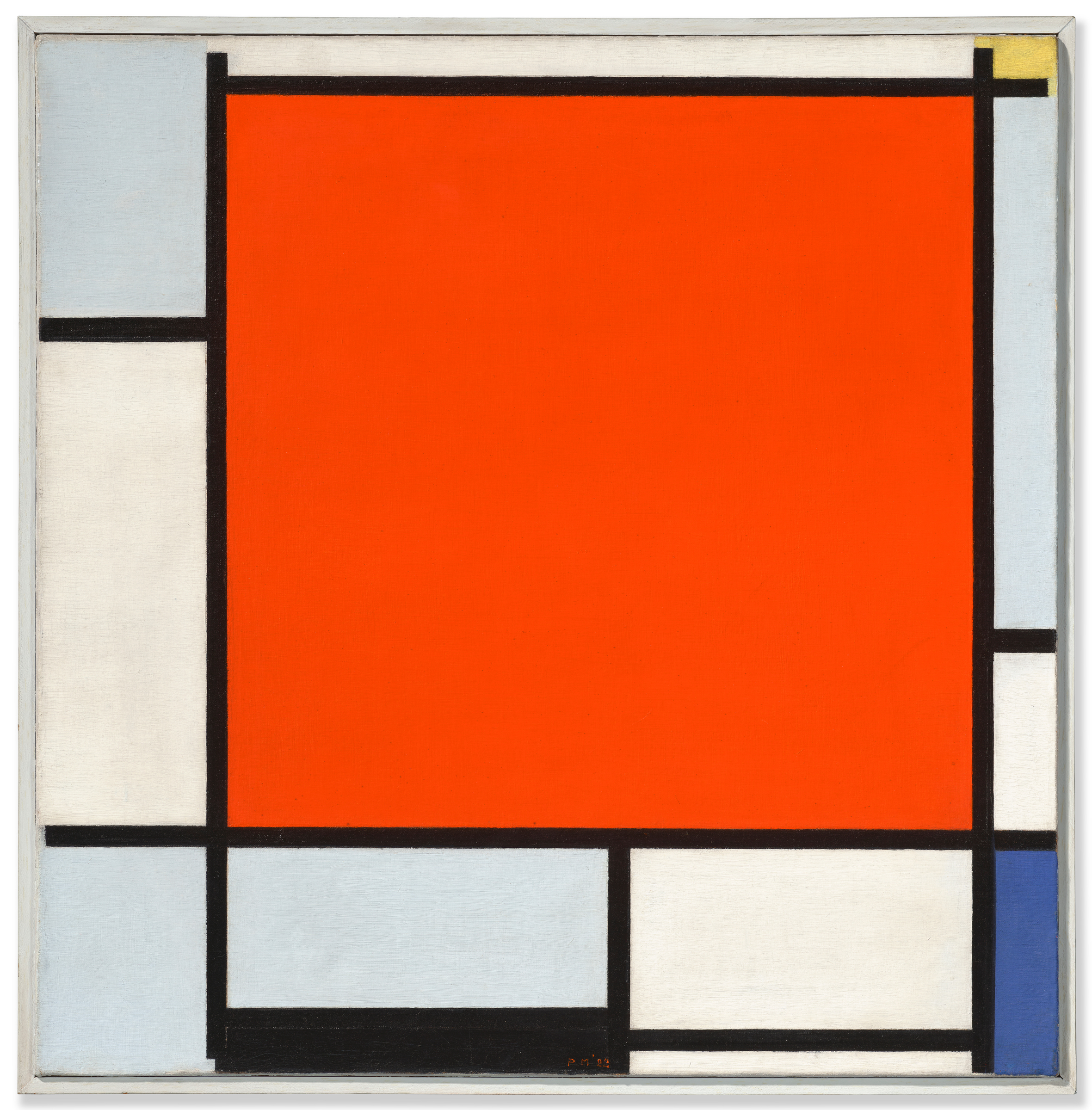
During the May 2025 Marquee sales at the major New York auction houses, Christie’s came out on top in nearly every respect. Christie’s hosted six sales during the week, beginning with the collection of Leonard Riggio, chairman of Barnes & Noble. Though relatively small, the auction—comprising thirty-eight lots—accounted for a significant portion of Christie’s total revenue that week. It also featured the most expensive lot sold during the Marquee sales: Piet Mondrian’s 1922 painting Composition with Large Red Plane, Bluish Gray, Yellow, Black, and Blue. While the work fell short of its $50 million pre-sale estimate, it sold for $41 million, or $47.56 million with premium, making it the third-most-expensive Mondrian painting ever sold at auction and the seventh-most-expensive work sold this year. Of the twelve lots that achieved prices above $10 million across both Christie’s and Sotheby’s, four came from the Riggio collection. The sale brought in $271.9 million w/p, representing 39.8% of the combined total hammer prices of all six Christie’s sales that week.
At Sotheby’s, the Modern Evening Sale on May 13 was somewhat disappointing due to the failure of Alberto Giacometti’s sculpture Grande tête mince to sell. Specialists had expected the work to achieve $70 million, and its absence reduced the sale’s total from a low estimate of $230.2 million to $151.7 million.
By the end of the week, including fees and premiums, Christie’s achieved a monumental $693.1 million in total sales. Sotheby’s, by comparison, realized $411.2 million—an impressive figure, particularly given that it hosted two fewer sales over the same period. Nevertheless, Sotheby’s total represented an 18% decline from its May Marquee results the previous year, while Christie’s recorded a 23% increase.
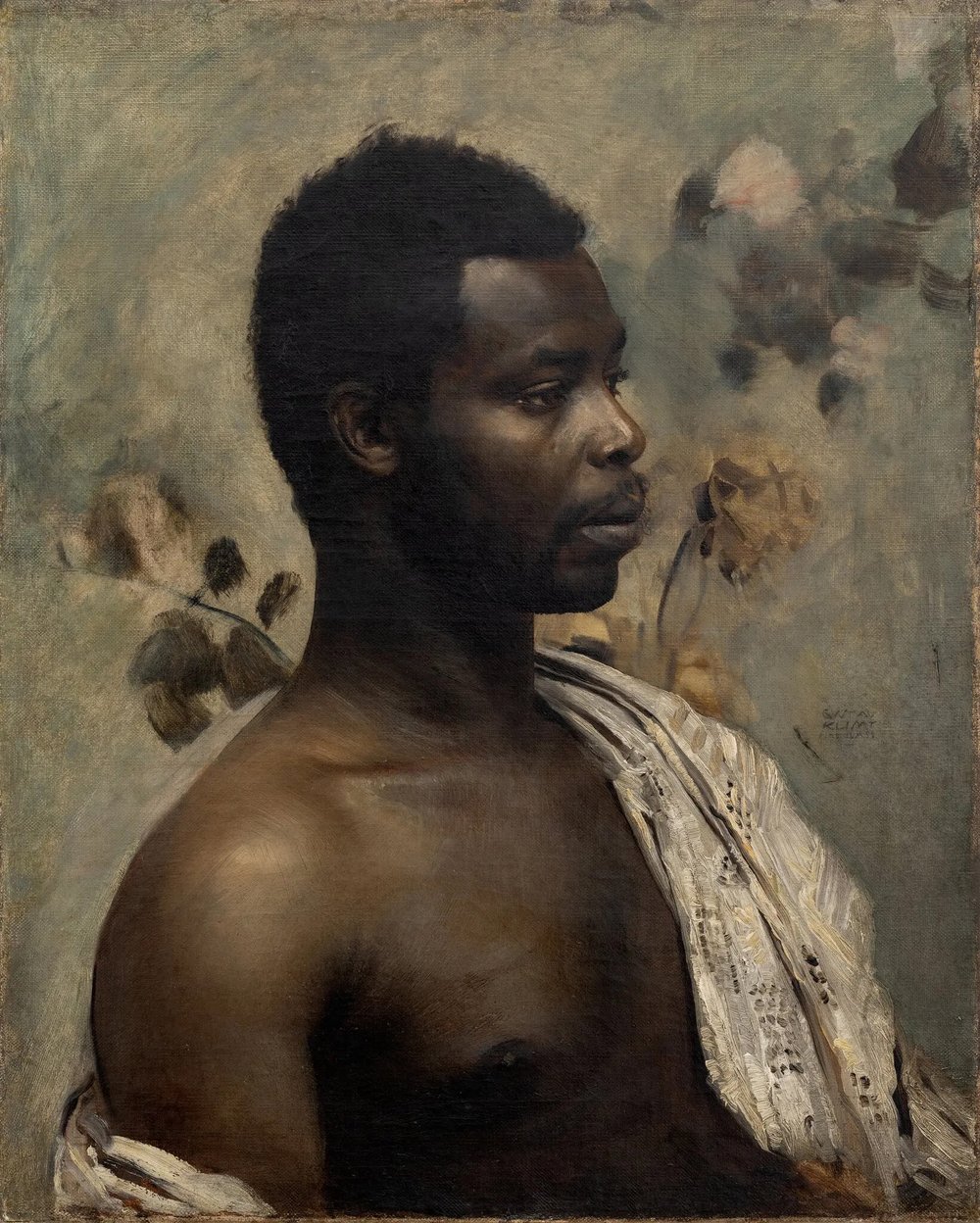
Portrait of Prince William Nii Nortey Dowuona by Gustav Klimt
Klimt African Prince
Gustav Klimt’s Portrait of Prince William Nii Nortey Dowuona became the subject of an alleged smuggling controversy in 2025. The Vienna gallery Wienerrothier & Kohlbacher (W&K) exhibited the portrait of the African prince at TEFAF Maastricht, where it was priced at €15 million. The gallery acquired the painting in 2023 after an Austrian collector brought it from Hungary. In May 2025, however, the Hungarian newspaper Heti Világgazdaság (HVG) reported that the painting may have been smuggled out of Hungary. While the accusations originated from a questionable source, subsequent developments suggest there may be a small kernel of truth to the claims.
Hungarian authorities now state that the painting was in such poor condition at the time of export that officials failed to notice a stamp indicating it belonged to Gustav Klimt’s estate. Had the marking been recognized, the work likely would not have been approved for export. Authorities now argue that, because of this oversight, the original export permit is invalid.
W&K continues to assert its legal ownership of the painting, citing the Washington Principles concerning cultural property displaced during the Second World War. The painting left Austria after its original owners entrusted it to an acquaintance for safekeeping following Nazi Germany’s annexation of the country. On that basis, the gallery maintains that the work would have been repatriated to Austria regardless of objections raised by Hungarian authorities.
Designs Selected for Queen’s Memorial
The committee tasked with selecting a design for a London monument honoring the late Queen Elizabeth II has made its decision. The renowned architecture firm Foster + Partners will oversee the memorial. Their proposal features several components, including a series of gardens on both sides of the park’s central lake, dedicated to Britain’s communities and the Commonwealth of Nations. The space will also include areas designated for artists’ installations. A new glass bridge will span the park’s lake, designed to evoke the tiara the queen wore at her wedding to Prince Philip in 1947. It will replace the existing Blue Bridge, one of the most popular spots in St James’s Park. A large equestrian statue of the queen will be placed near Marlborough Gate, close to the park’s northern boundary. At the opposite end of the memorial area, a new gate dedicated to Prince Philip will feature a statue of the royal couple.
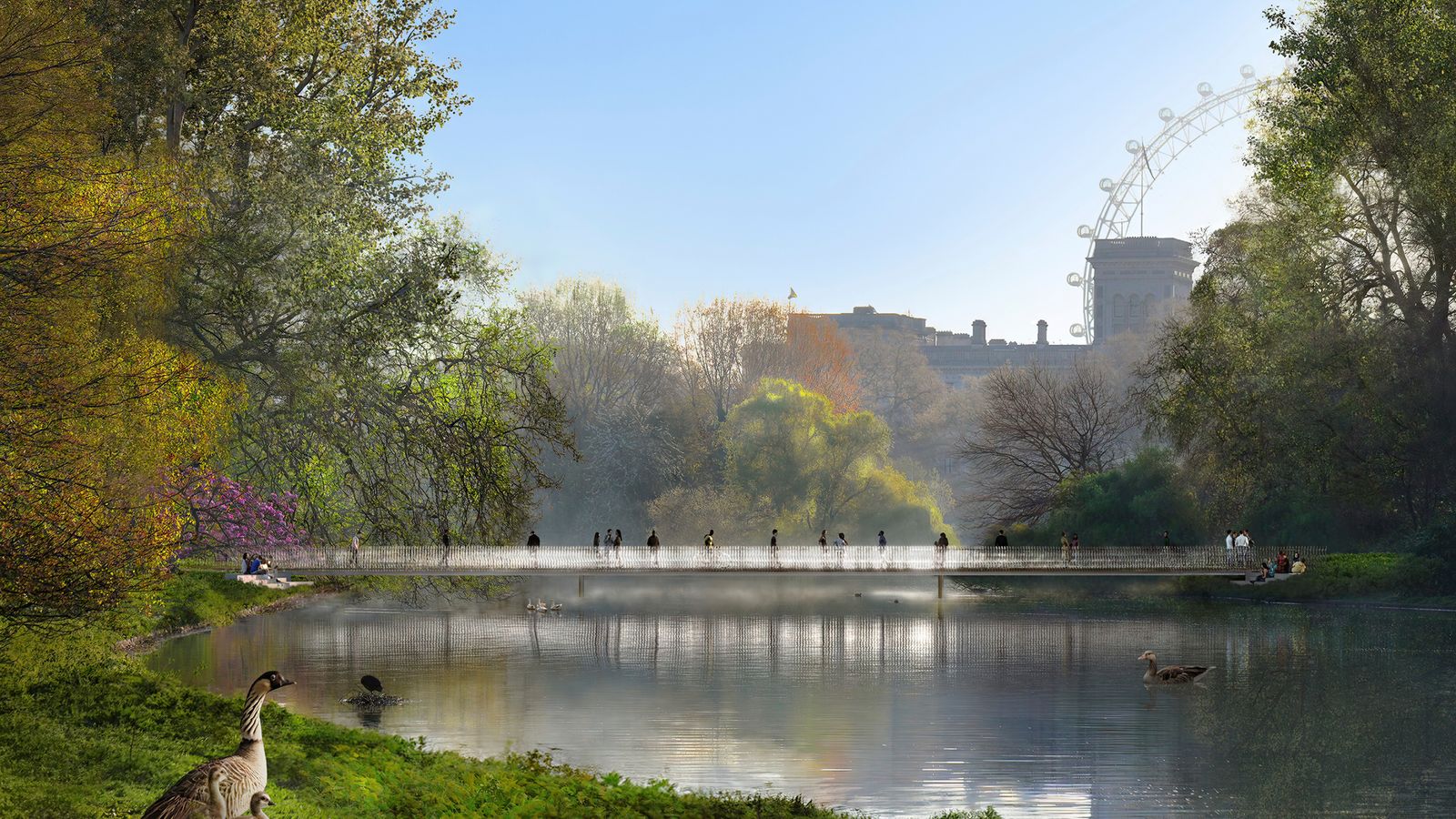

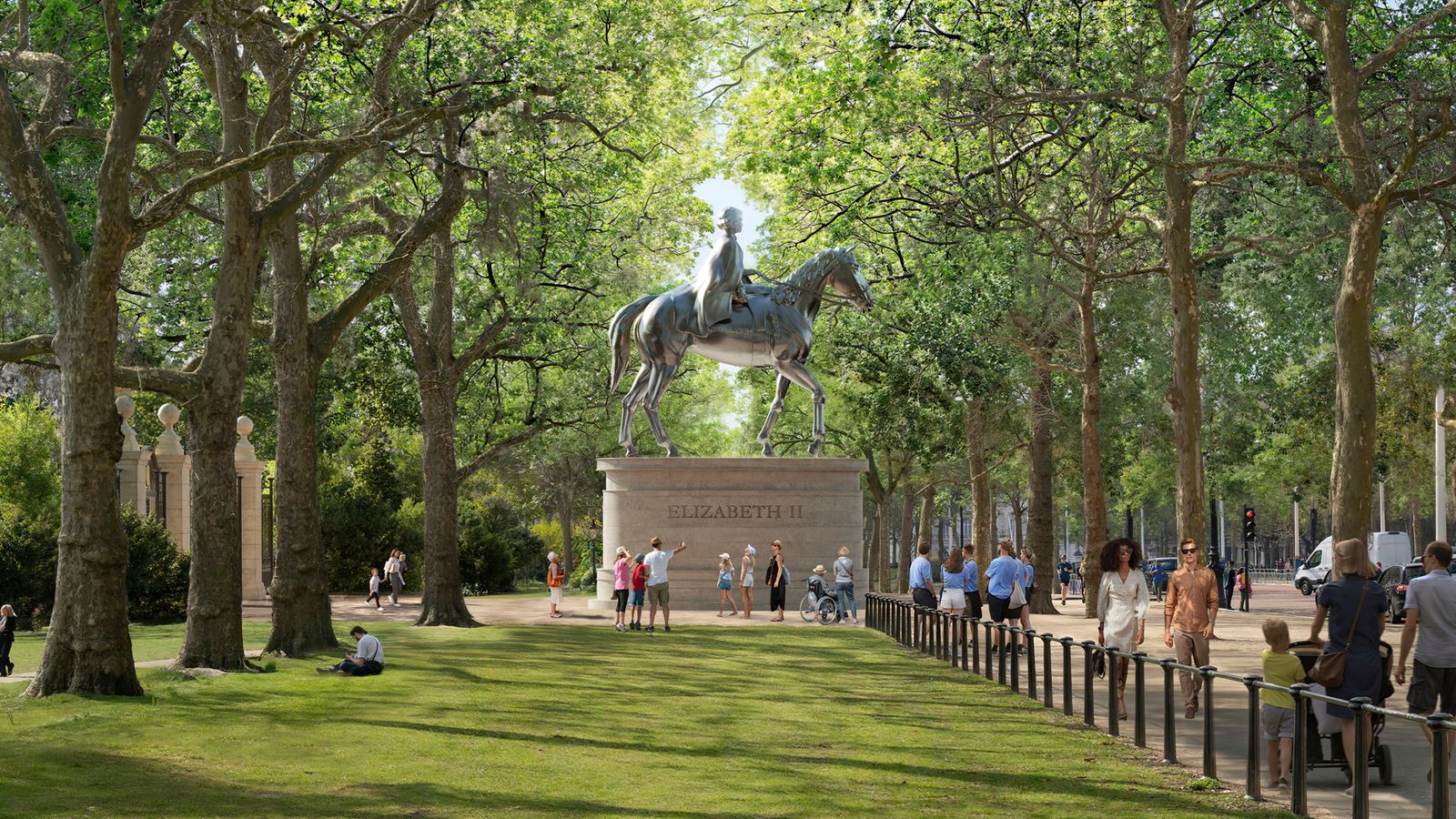
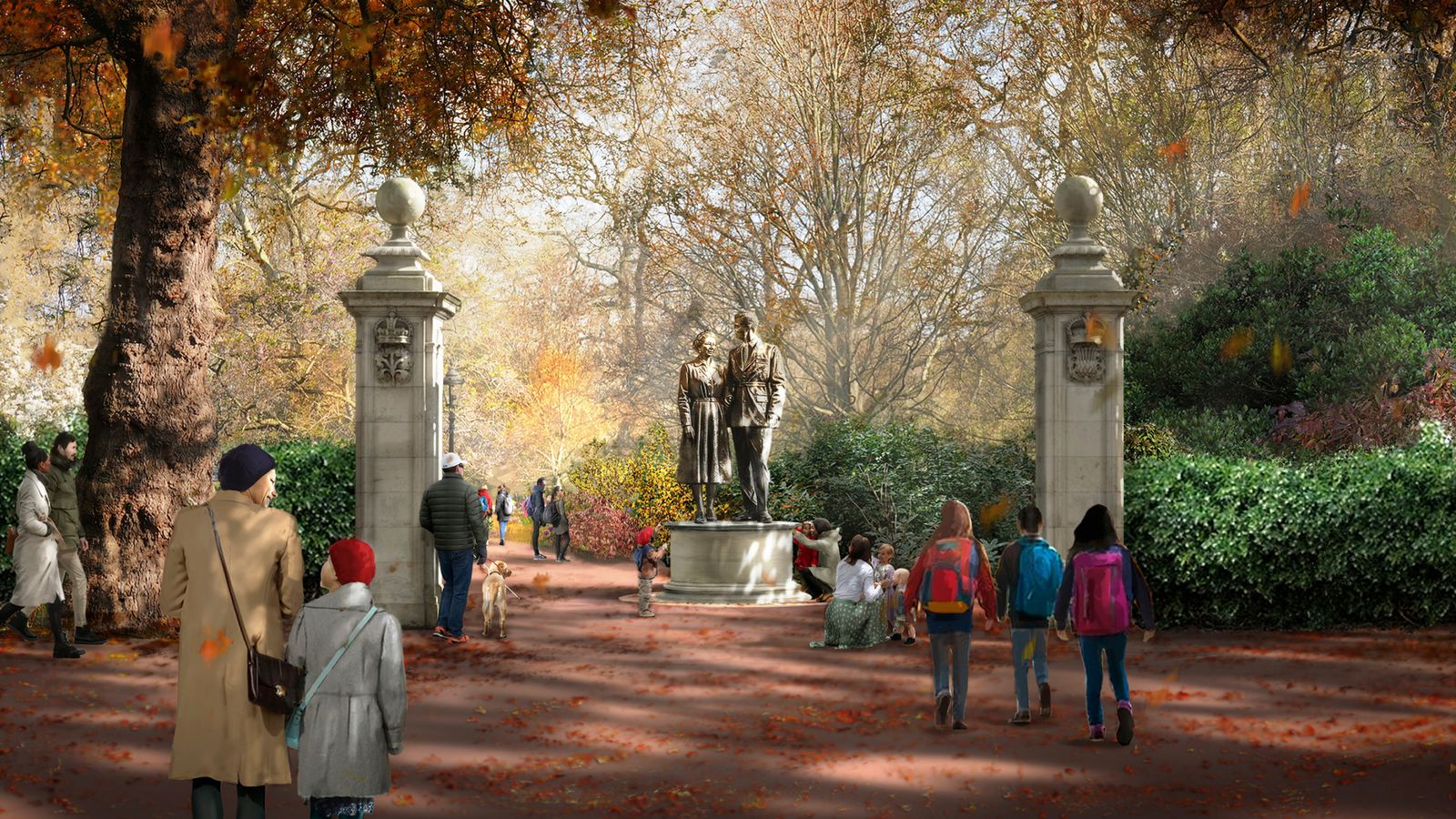
The memorial will be developed in stages, allowing visitors continued access during construction. While Foster + Partners has released the broad outlines of its masterplan, many details remain to be finalized. The completed designs are scheduled to be formally unveiled in April 2026, marking what would have been the queen’s one-hundredth birthday.
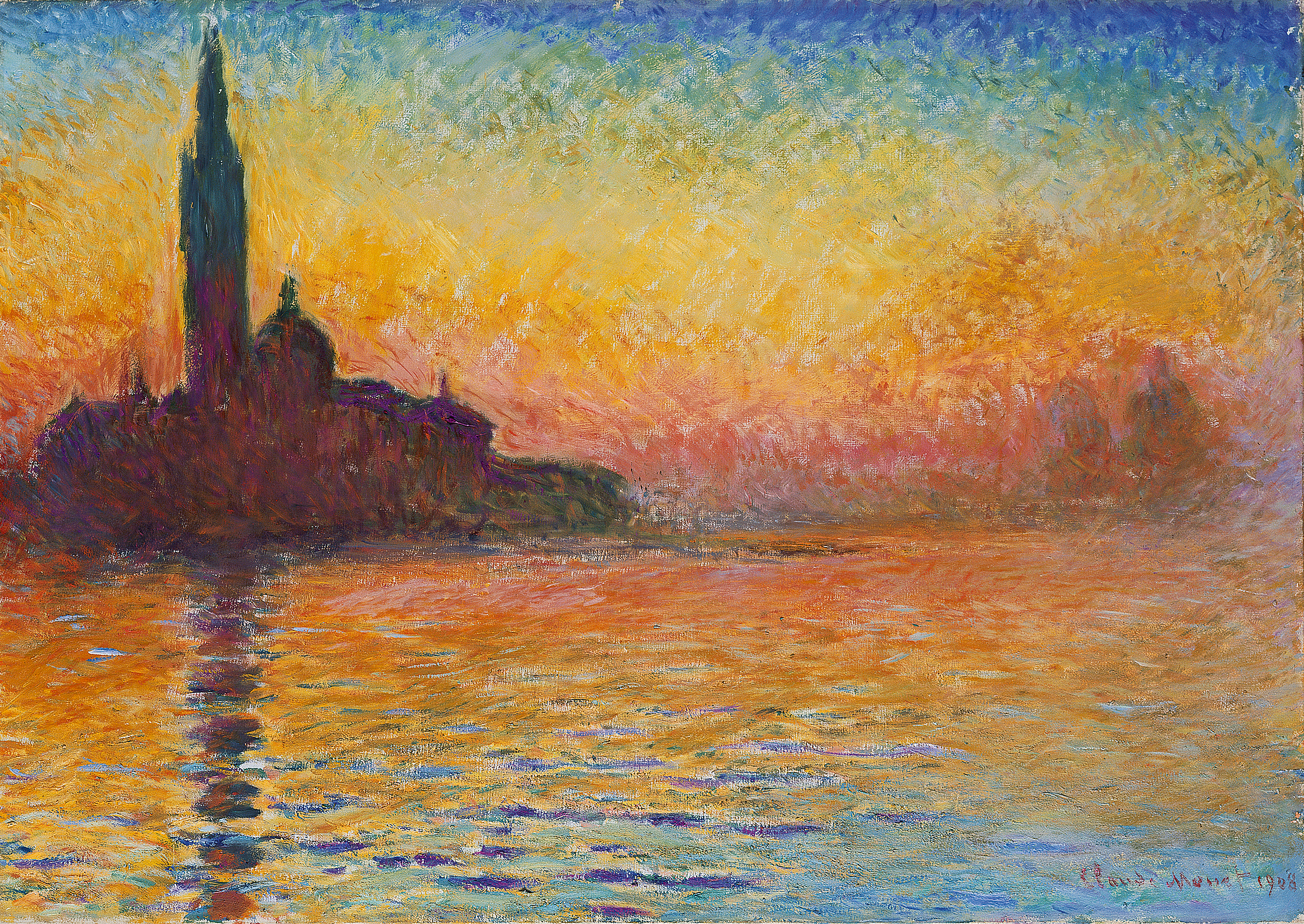
San Giorgio Maggiore at Dusk by Claude Monet
Monet & Venice at the Brooklyn Museum
On October 11, 2025, the Brooklyn Museum opened its Monet & Venice exhibition to the public, marking the largest museum show devoted to the artist in nearly twenty-five years.
In 1908, Claude Monet was experiencing a creative slump. That changed during a two-month stay in Venice, where he produced 37 paintings. Much of the Brooklyn exhibition centers on the curators’ efforts to contextualize these Venetian works. Individual galleries focus on Venice as it was in 1908, using letters, postcards, and photographs that Claude and Alice Monet sent back to France. Other galleries convey a sense of Venice’s history, both as a tourist destination and as an artistic subject, past and present.

The exhibition also informs visitors about Monet’s work leading up to his visit to Venice. Visitors first encounter the artist’s lifelong engagement with water, a motif that defined much of his career. The exhibition also examines Monet’s pioneering use of series, in which he repeatedly depicted the same subject under varying light and weather conditions. Having grown stagnant in his water lily series, Monet found his creative spark reignited by the trip to Venice. After this rich contextualization, the exhibition culminates in a grand oval room draped in blue velvet, where ten of Monet’s Venetian paintings are displayed together. The works are grouped in trios, each depicting the same view under different light and atmospheric conditions.
The curators at the Brooklyn Museum have done a remarkable job of providing thorough context, reframing Monet not as an isolated genius but as an artist shaped by multiple artistic lineages and influences. This approach underscores how his Venetian paintings emerged not in a vacuum, but as the culmination of decades of experimentation and dialogue with both predecessors and contemporaries.
Vermeer Reexamined
In his new book, British art historian Andrew Graham-Dixon argues that this could lead to a complete reevaluation of Johannes Vermeer’s work. In the process, he may also have uncovered the identity of Girl with a Pearl Earring.

Graham-Dixon argues that the painting does not depict a character or allegorical figure, but a real person: the daughter of Vermeer’s primary patrons. It is estimated that Pieter van Ruijven and Maria de Knuijt owned twenty-one Vermeer paintings—more than half of all the artist’s surviving works. Graham-Dixon also notes that the Van Ruijven family were Remonstrants, a Protestant sect that opposed the Dutch Reformed Church. The Vermeers were likewise Remonstrants, which may explain how the artist came to form such a close relationship with his most important patrons. On this basis, Graham-Dixon proposes that the subject of Girl with a Pearl Earring was Magdalena van Ruijven, their daughter.
Magdalena would have been around twelve years old when Vermeer painted the work. Under Remonstrant tradition, this would have coincided with the age of baptism. Graham-Dixon theorizes that her parents may have commissioned the painting to mark her formal entry into church life. Her pose and the Eastern-style headdress may further suggest that the young girl was intended to embody the virtues of her namesake, Mary Magdalene.
By interpreting Girl with a Pearl Earring through an overtly religious lens, scholars may now be able to recontextualize much of Vermeer’s oeuvre. Given that many of his works were commissioned by a Remonstrant family, Graham-Dixon suggests that they may carry deeper spiritual or philosophical meanings. Writing in The Times in October 2025, he noted, “The realisation that all of Vermeer’s paintings are spiritually motivated flies in the face of most modern preconceptions about his work. But it is my conviction that all this may seem somehow less shocking than expected.”
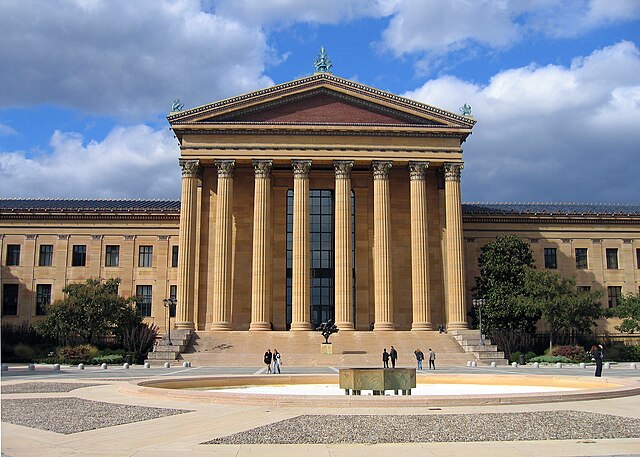
The Philadelphia Art Museum
Philadelphia Museum Ex-Director Sues
Alexandra “Sasha” Suda is suing the Philadelphia Museum of Art after she was allegedly wrongfully terminated as its director. According to the museum’s board of trustees, an internal investigation concluded that Suda had allegedly “misus[ed] museum funds for personal gain.” Less than a week after her dismissal, Suda filed a lawsuit against the Philadelphia Museum of Art, citing “breaches of contract, bad faith, unfair treatment, and abuse.”
According to multiple sources, tensions had been building between Suda and certain trustees, whom she describes in her civil complaint as “a small, corrupt, unethical faction.” In the lawsuit, Suda alleges that these board members fostered “a culture of micromanagement and mistrust” within the museum.
Luke Nikas, one of Suda’s attorneys, stated that the hostile trustees “commissioned a sham investigation to create a pretext for Ms. Suda’s termination. Ms. Suda fought for and believed in a museum that would serve Philadelphia and its people, not the egos of a handful of trustees.” In her complaint, Suda argues that because the museum approved all compensation and expenses she received, there could have been no misuse of funds and, therefore, no legitimate cause for termination. She further alleges that the trustees’ conduct and public statements violated the non-disparagement clause in her contract.
Suda is seeking monetary damages and severance pay, which she claims are owed under the terms of her contract. When asked for comment, a museum spokesperson stated only that the lawsuit was “without merit.”