
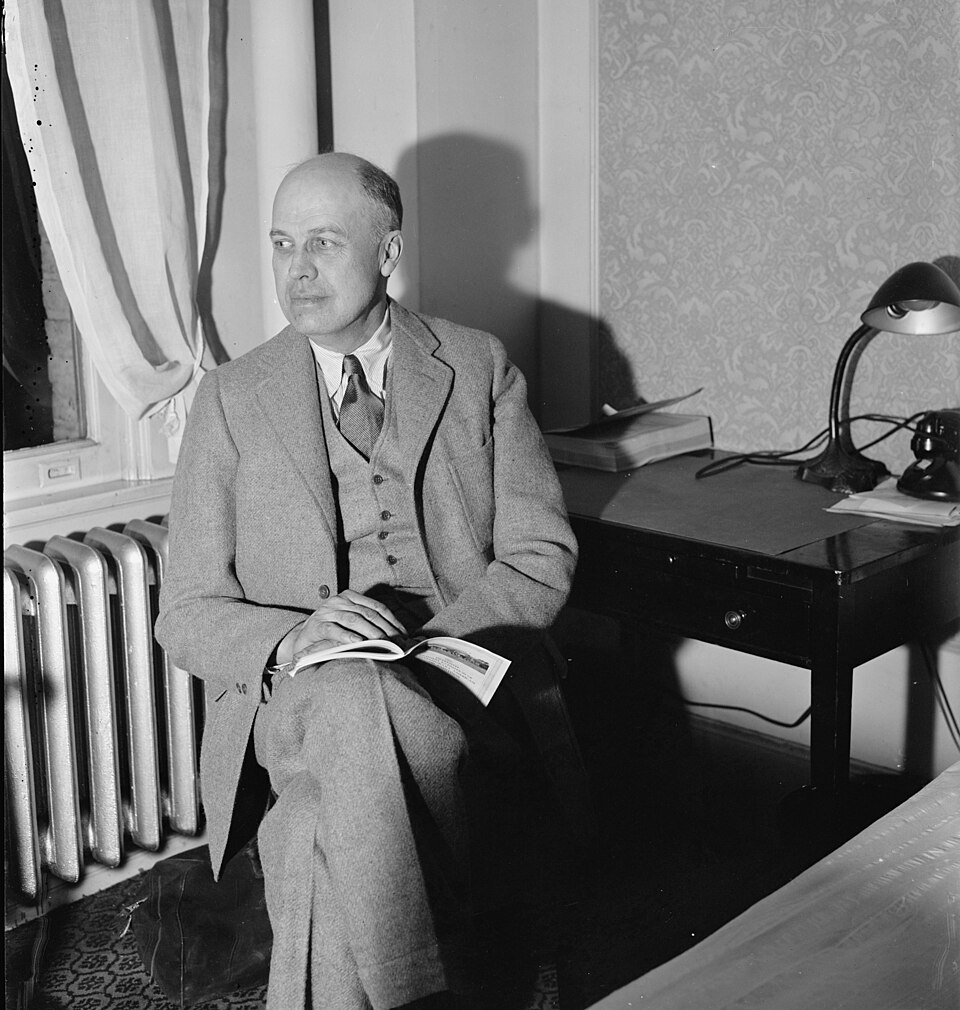
Edward Hopper
In his new biography on Edward Hopper, art historian Louis Shadwick reveals that six paintings created during the artist’s teenage years were actually copies of existing artworks rather than original compositions. This discovery challenges the long-held belief that Hopper showed exceptional artistic talent before receiving formal training.
The paintings in question date to the 1890s, when Hopper was a teenager living in Nyack, New York. This was before he attended art school, and for years served as evidence of his advanced artistic talents even before his formal education. Shadwick, however, has demonstrated that these six paintings are not original works by a young Hopper but were copies of works he found in art publications.
It took nearly six decades for scholars to identify these early works as copies, mainly because of their previous owner. The Reverend Arthayer Sanborn was a Baptist minister in Nyack who lived just down the road from the Hoppers. He claimed that Hopper and his wife, Josephine, frequently gifted him paintings and drawings in their later years. However, some Hopper specialists, like Gail Levin, dispute this, suggesting the minister may have taken advantage of the couple’s trust and stolen many works from their home. These six paintings were part of the Reverend’s collection. Research into the paintings had previously been muddled because of Sanborn giving them new titles that connect them to Hopper’s hometown. This suggests these early works are Hudson Valley landscapes. For example, Sanborn titled one painting The Old Ice Pond at Nyack, suggesting the scene could have been found near Hopper’s home. However, it is actually a copy of Bruce Crane’s Winter Sunset, likely depicting somewhere in Connecticut or on Long Island.
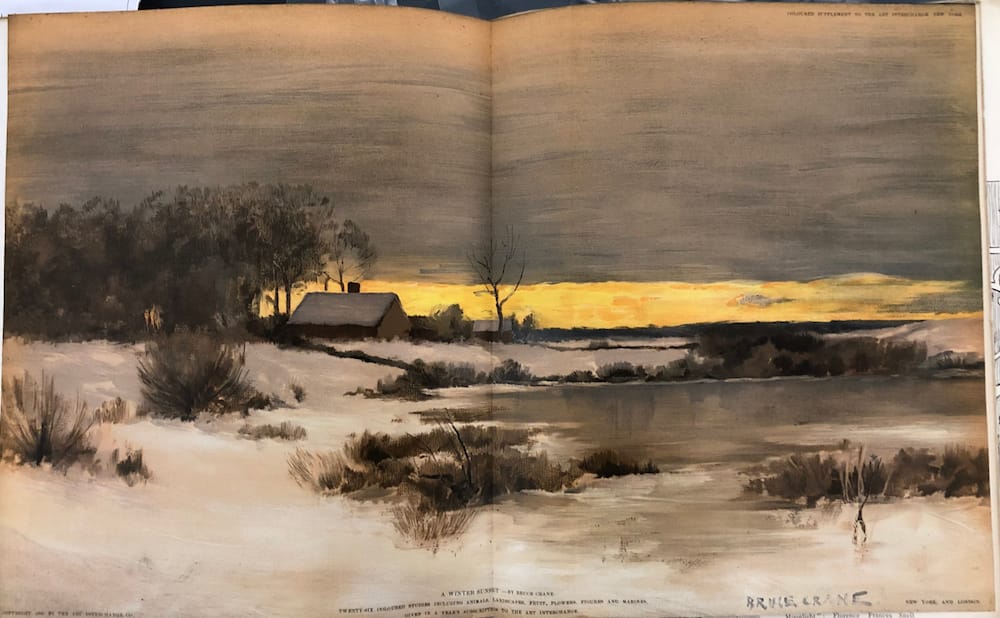
Shadwick’s research shows that these paintings were copied by a teenage Hopper from color prints published in The Art Interchange magazine. Shadwick identified that the copies are based on works by American painters like Edward Moran, John Francis Murphy, Fred Pansing, and others. The magazine printed reproductions of these artists’ work, accompanied by instructions for young artists on how to make copies themselves. Sanborn and others likely believed these paintings to be original compositions because Hopper had signed or initialed most of them. Shadwick describes this as Hopper’s “youthful pride in his earliest achievements”, and argues that these works were not meant to be original paintings. The new biography argues that these copies undermine some art-historical conceptions of Hopper’s early life, namely that he began his artistic endeavors during his adolescence “with essentially no instruction”. But while they may challenge the idea that Hopper was a sort of painting prodigy, they also reveal something new about the artist’s early life. These early copies tell scholars that Hopper engaged in “close study of contemporaneous painting from an early age,” finding particular interest in American tonalist painting. Shadwick claims that this more complete understanding of the artist’s early years offers scholars and admirers alike insight into “the much broader cultural fabric of Hopper’s youth”.
Shadwick first made these discoveries known in 2020, when he wrote an article in Burlington Magazine as a graduate student at London’s Courtauld Institute. At the time, he stated that these early paintings “require further investigation”, and that art historians must do more to grasp the “broad spectrum of styles and movements” that came to influence Hopper’s “eventual, mature conception of realism […]. Perhaps the apparent incongruity of these early influences can help to explain the unfixed, disparate and dislocated sense of Americanness that so haunts Hopper’s work.” And now, six years after this revelation, Shadwick’s book Edward Hopper: A Life is available from Yale University Press.